Claude Fable 5.1
Claude Fable 5.5 vs Fable 5.1: verified status and regression replay plan
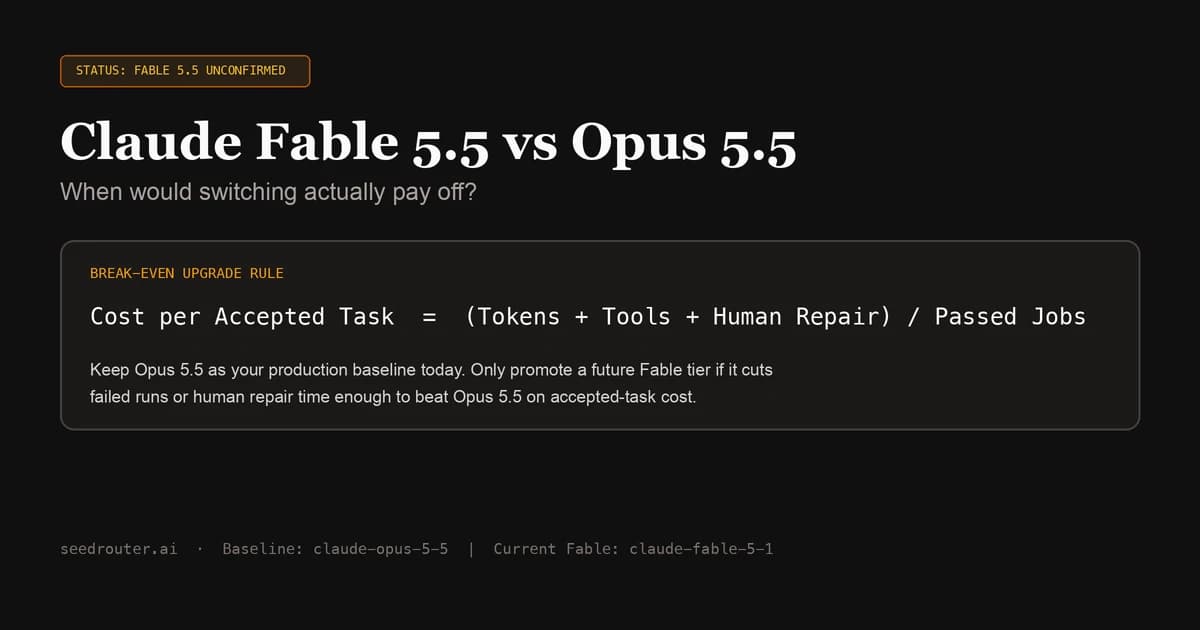
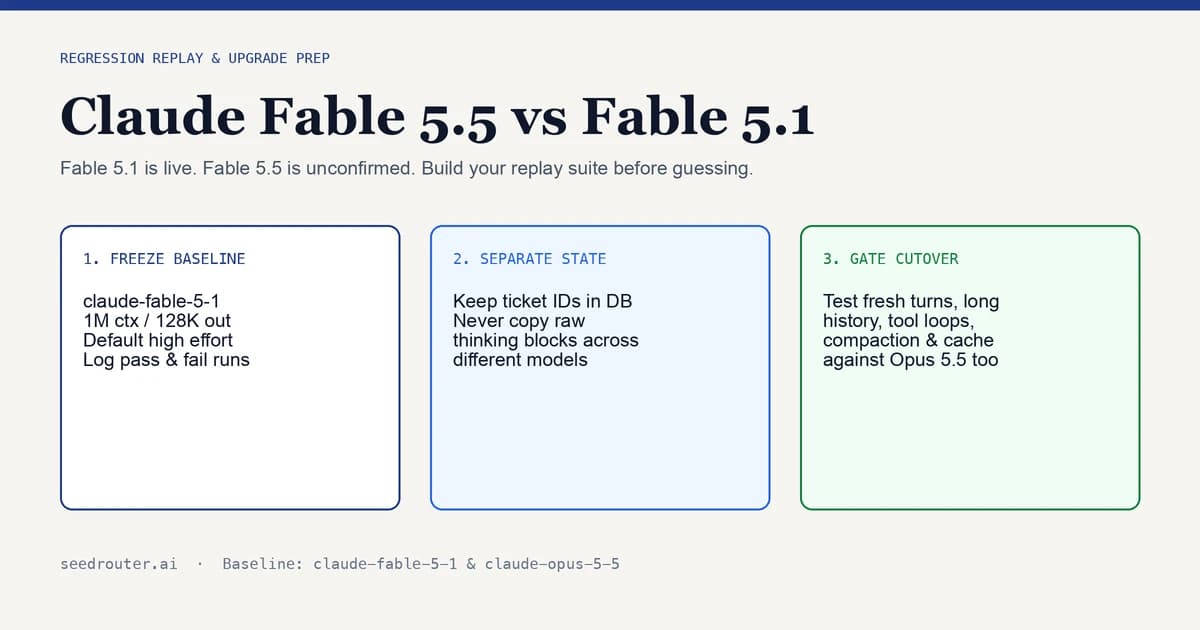
Anthropic has not confirmed Claude Fable 5.5, leaving Fable 5.1 as the live Fable release. Build a regression replay suite and compare Opus 5.5 baselines now.
Compare model capabilities, trade-offs, and alternatives before choosing an API.
58 guides

Claude Fable 5.1
Anthropic has not confirmed Claude Fable 5.5, leaving Fable 5.1 as the live Fable release. Build a regression replay suite and compare Opus 5.5 baselines now.

Claude Opus 5.5
Anthropic has not confirmed Claude Fable 5.5. Use accepted-task cost math, advisor routing, and current Opus 5.5 baselines to set exact switching thresholds.

Claude
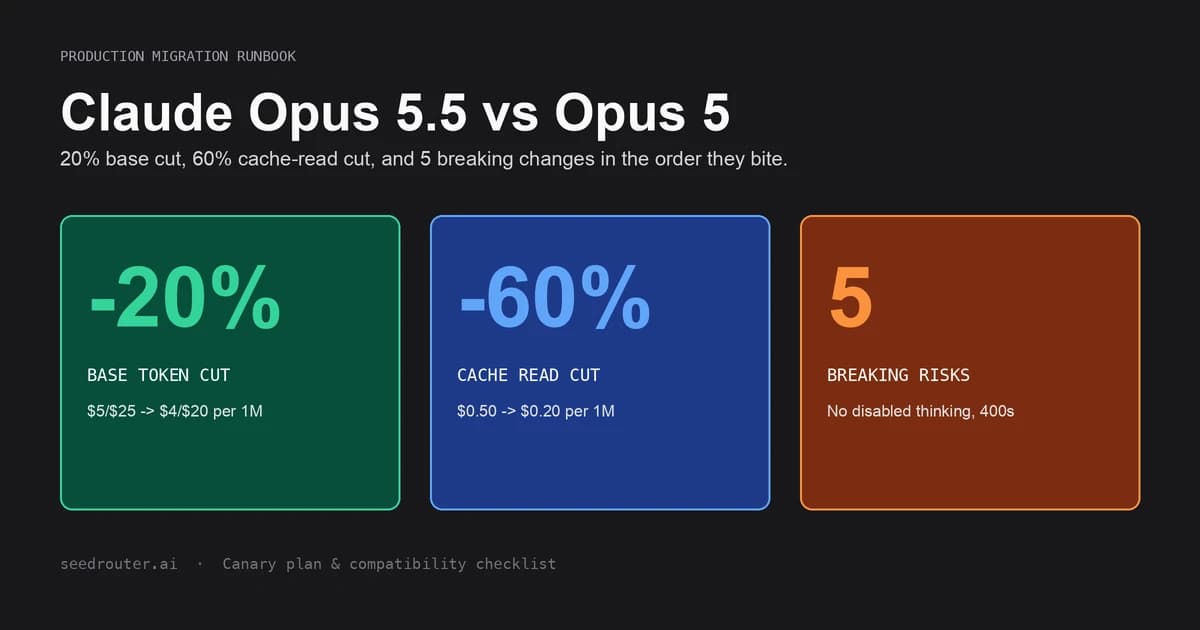
Upgrading from Claude Opus 5 to Opus 5.5 cuts base rates 20% and cache reads 60%, but breaks disabled thinking and forced tools. Full risk and canary guide.

Claude Opus 5.5
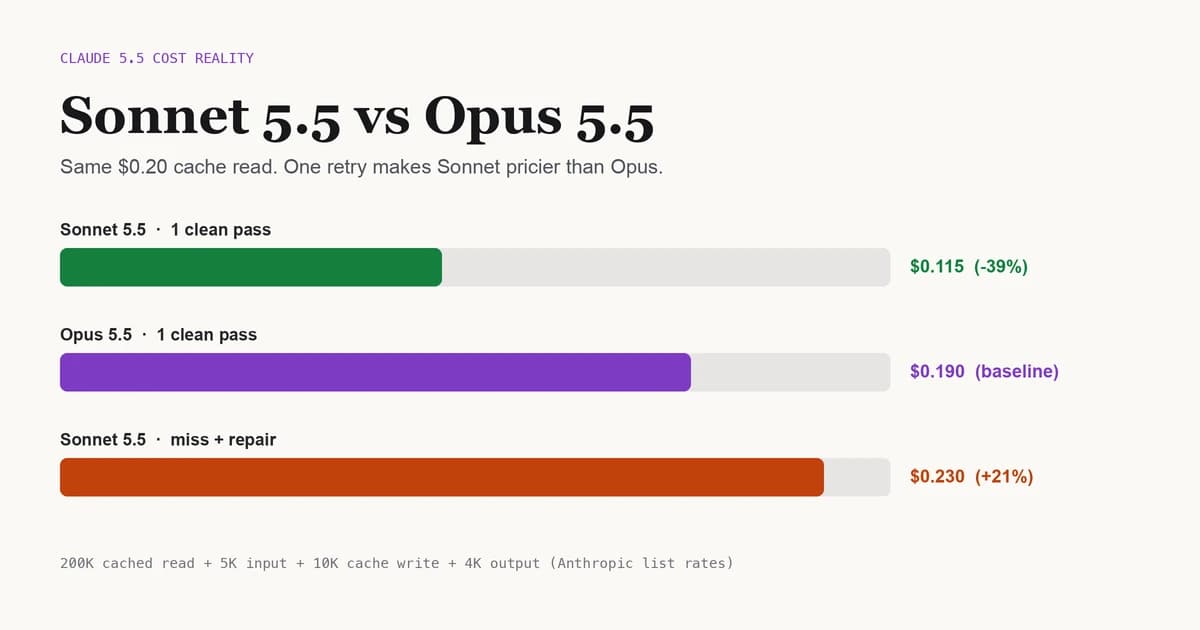
Claude Sonnet 5.5 lists at half of Opus 5.5 on input and output, yet cache reads cost the same. Full task matrix, effort rules, and accepted-task cost math.

Claude Opus 5.5
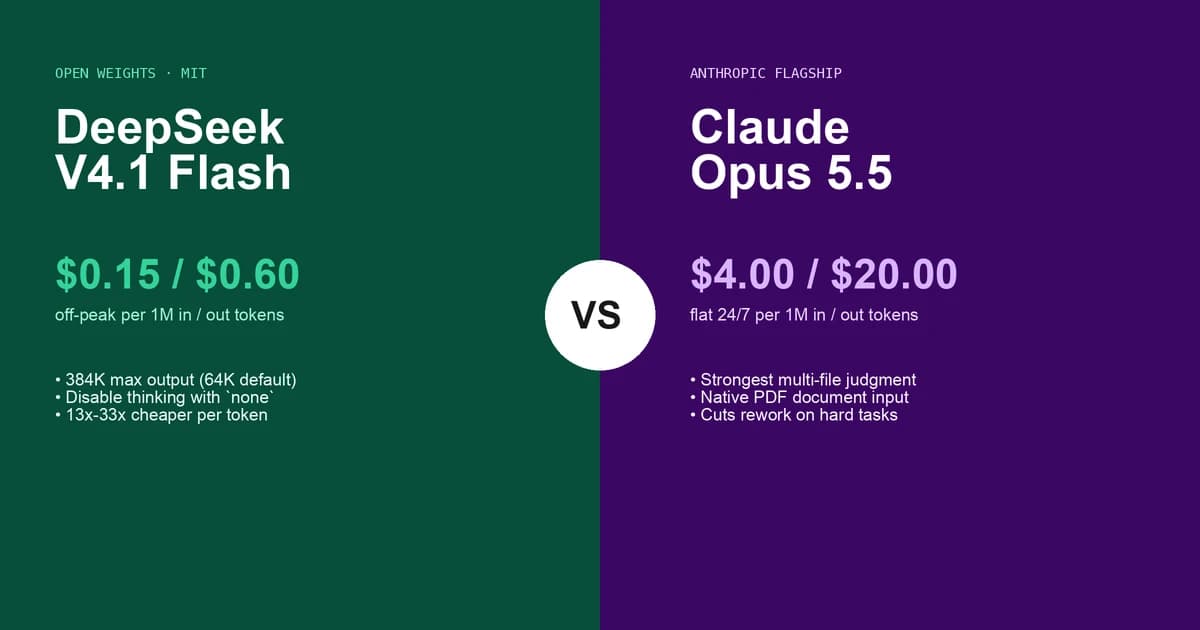
DeepSeek V4.1 Flash lists 13x-33x below Claude Opus 5.5 with a 384K output cap, while Opus 5.5 leads on complex agentic work. Full specs, cost & split guide.

GPT-6 Sol
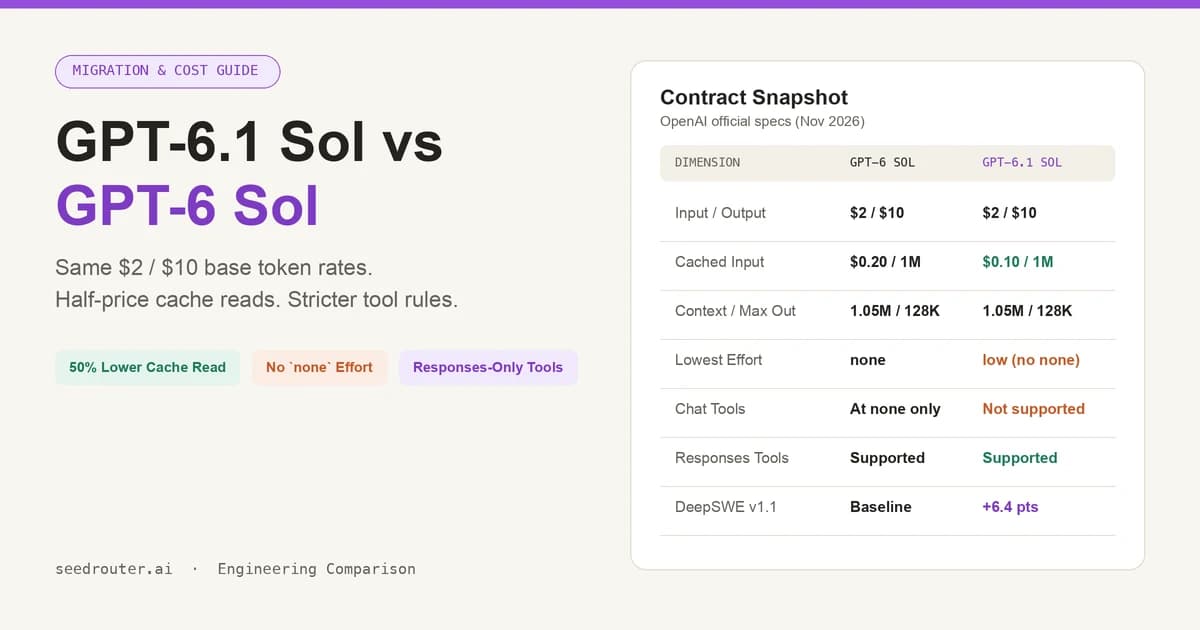
GPT-6.1 Sol keeps GPT-6 Sol input and output rates while halving cached reads, drops none effort, and requires Responses for tools. Full migration & cost guide.

Self-hosting
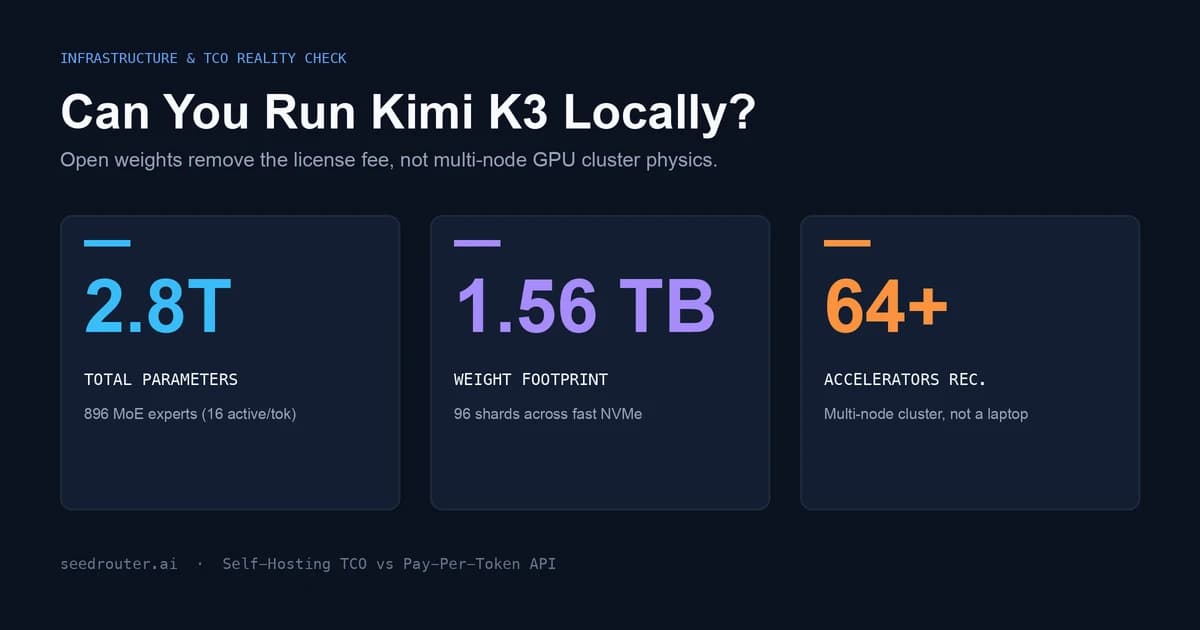
Kimi K3 ships open weights, but its 2.8-trillion-parameter MoE footprint demands multi-GPU cluster hardware. Compare self-hosting TCO against pay-per-token.

Seedance 2.5
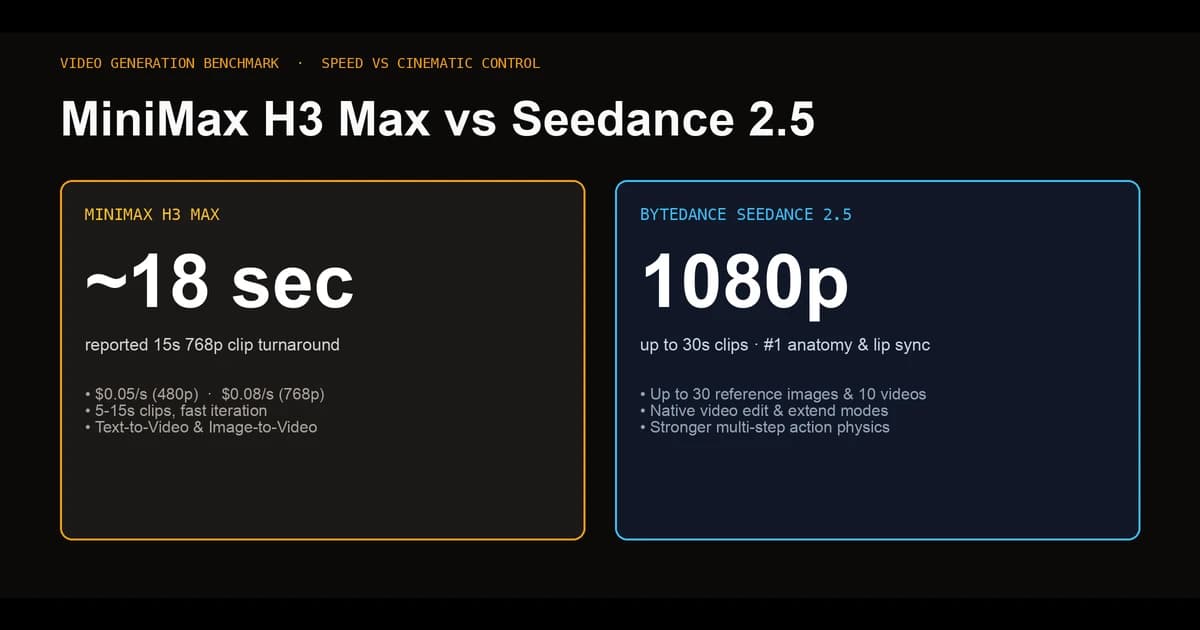
MiniMax H3 Max delivers fast 768p clips in seconds while Seedance 2.5 leads on 1080p anatomy, lip sync and 30s takes. Compare sample clips, specs and prices.

DeepSeek V4.1 Flash
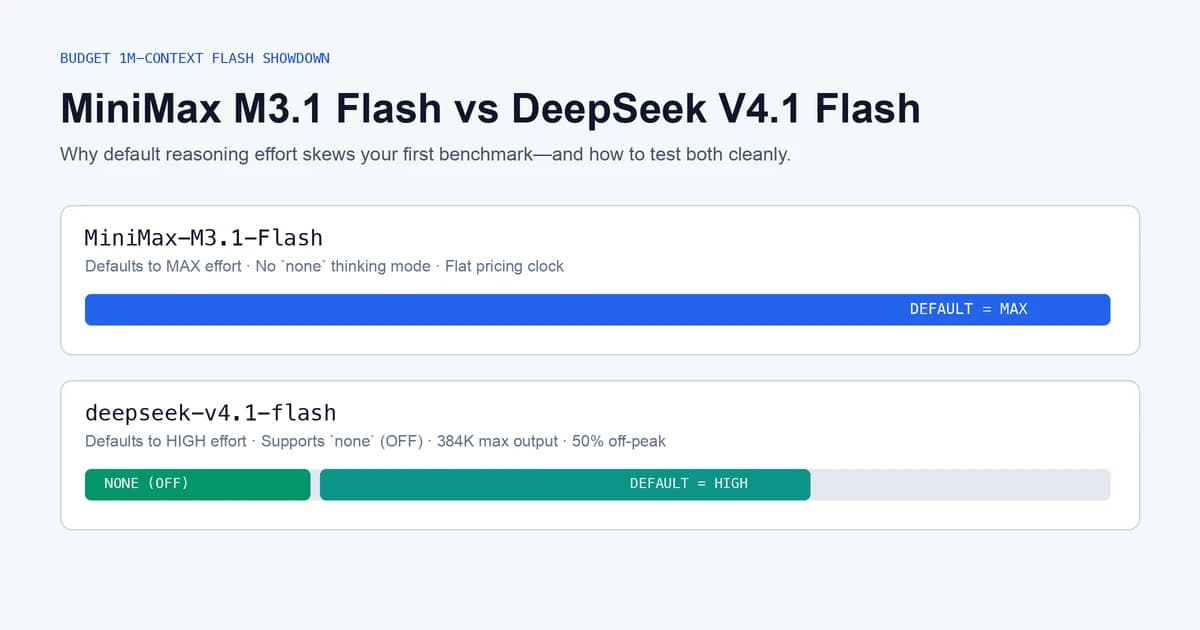
MiniMax M3.1 Flash and DeepSeek V4.1 Flash both target low-cost 1M-context coding and agent work. Compare effort defaults, output caps, pricing & test design.

GPT Image 2.5
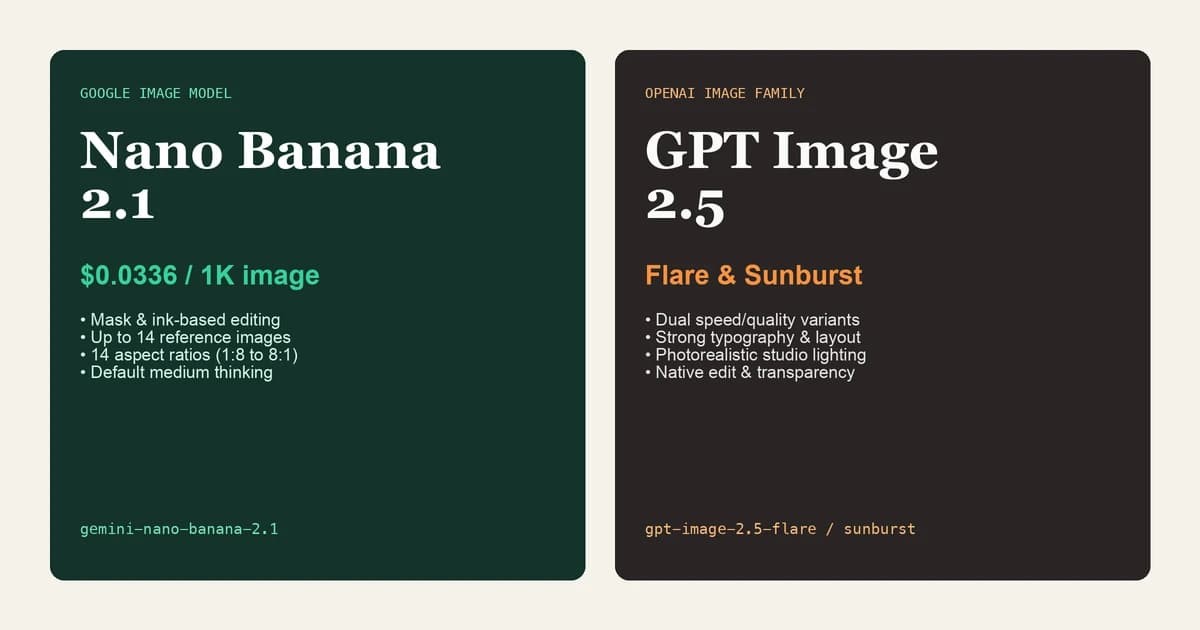
Compare Google Nano Banana 2.1 and OpenAI GPT Image 2.5 across mask-based editing, 14-image references, Flare vs Sunburst output quality and per-image costs.

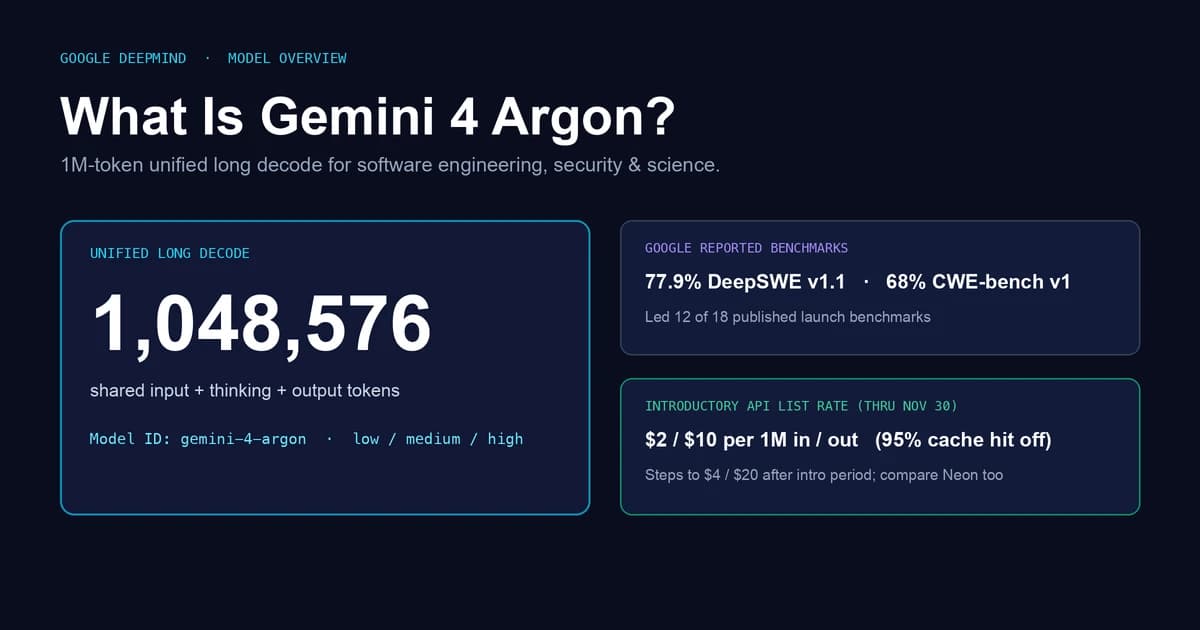
Explore Gemini 4 Argon: Google DeepMind’s 1M-token unified-budget reasoning model, its 77.9% DeepSWE score, 68% CWE-bench mark, pricing and how to call it.

Kimi
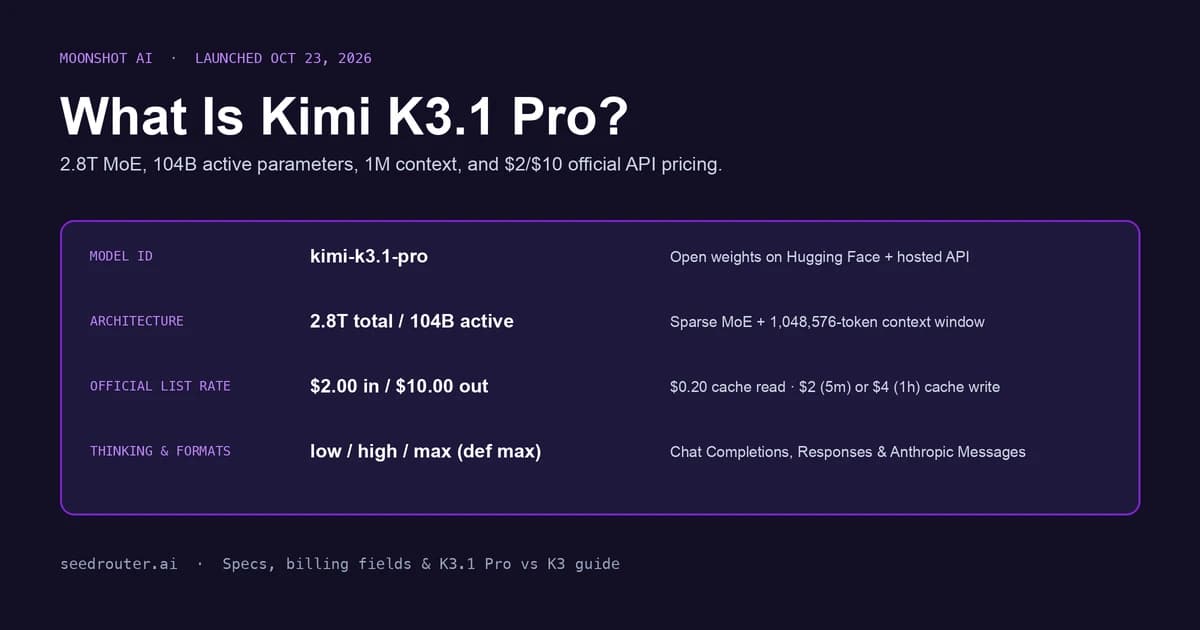
Moonshot AI launched Kimi K3.1 Pro on October 23, 2026 with 2.8T total parameters, 104B active parameters, 1M context, open weights and $2/$10 API pricing.

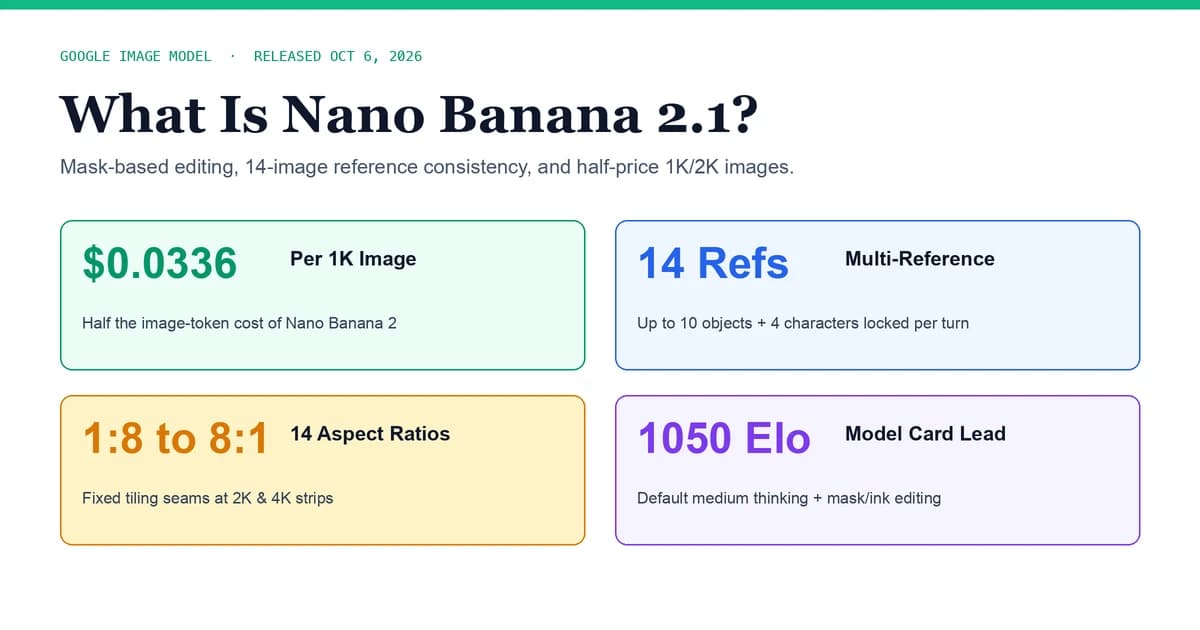
Google released Nano Banana 2.1 with mask-based editing, 14-image reference consistency, fixed wide-ratio seams, default medium thinking and half-price 1K.

Gemini 4 Hydrogen
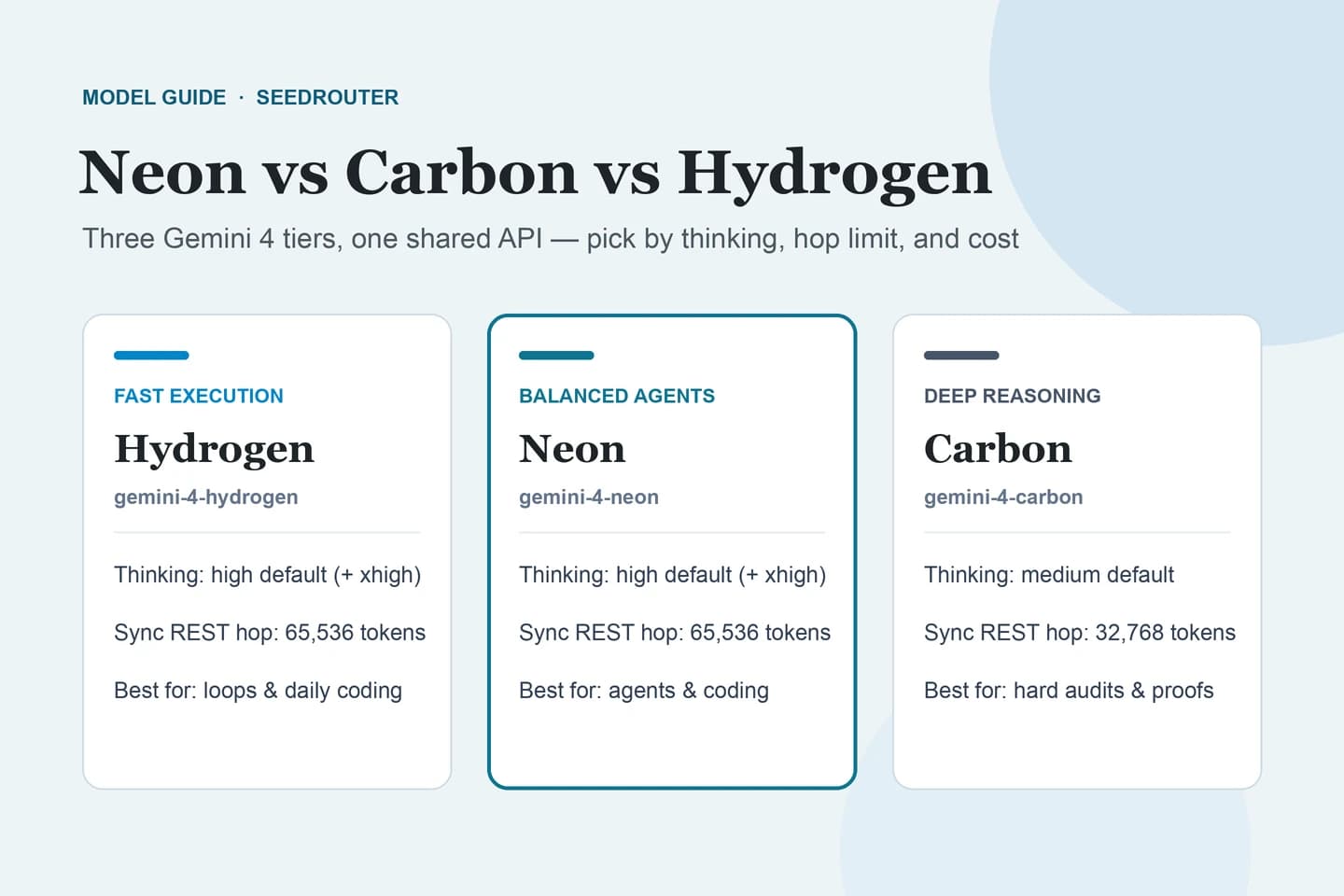
Compare Gemini 4 Neon, Carbon, and Hydrogen by thinking defaults, REST hop caps, December 1 pricing, and three live Neon API checks before routing traffic.

Gemini 4 Argon
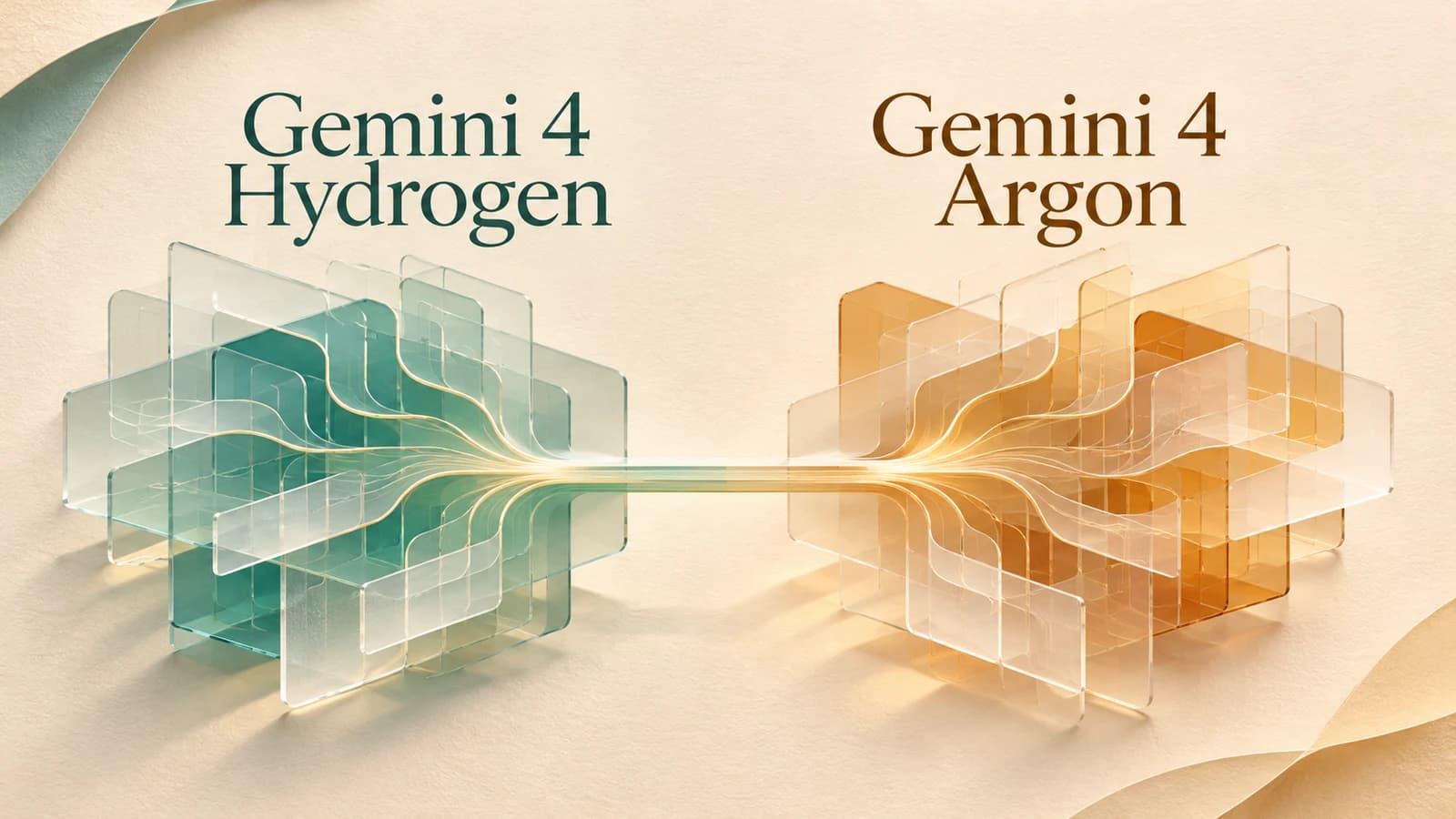
Gemini 4 Hydrogen vs Argon: compare thinking defaults, context and output limits, current prices and three API checks before choosing a model for your own work.

Gemini 4 Argon
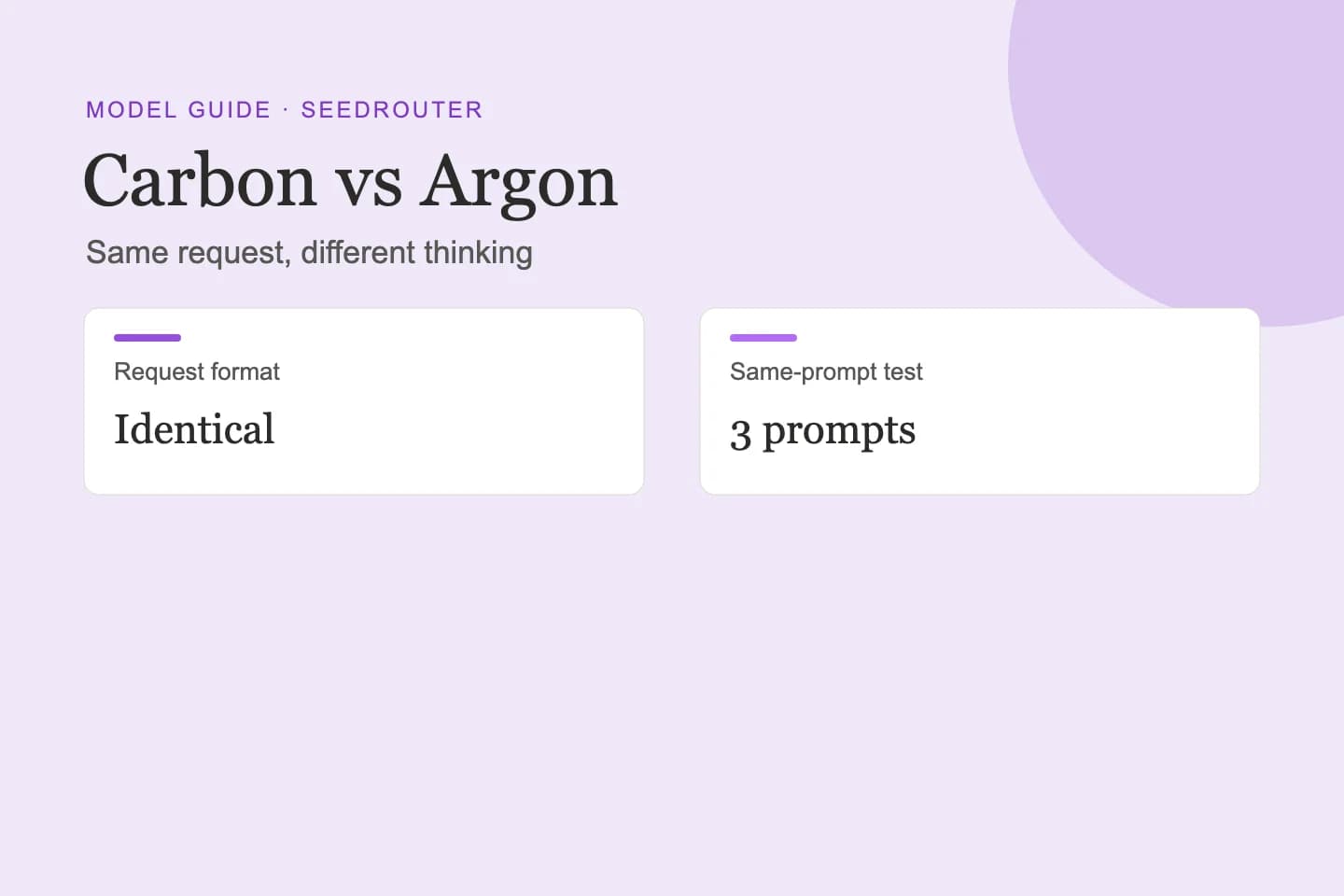
Gemini 4 Carbon vs Argon: same request format, context and introductory price. The difference is thinking per turn; our same-prompt test shows what it costs.

GPT Image 2.5
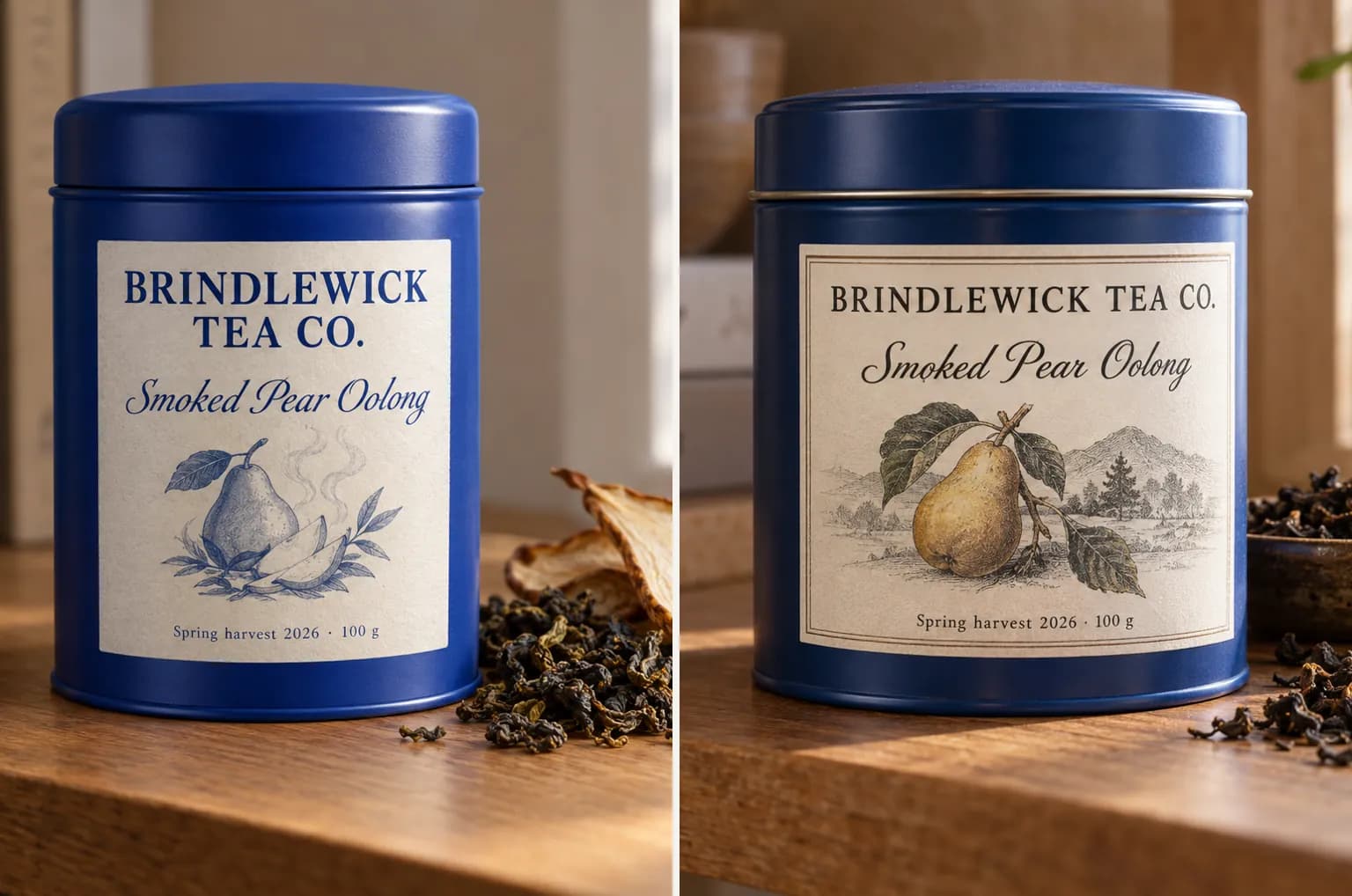
GPT Image 2.6 ships as Flare and Sunburst at the same token rates. See what OpenAI changed, how complexity shifts the choice, and what our measured runs show.

MiniMax H3 Max
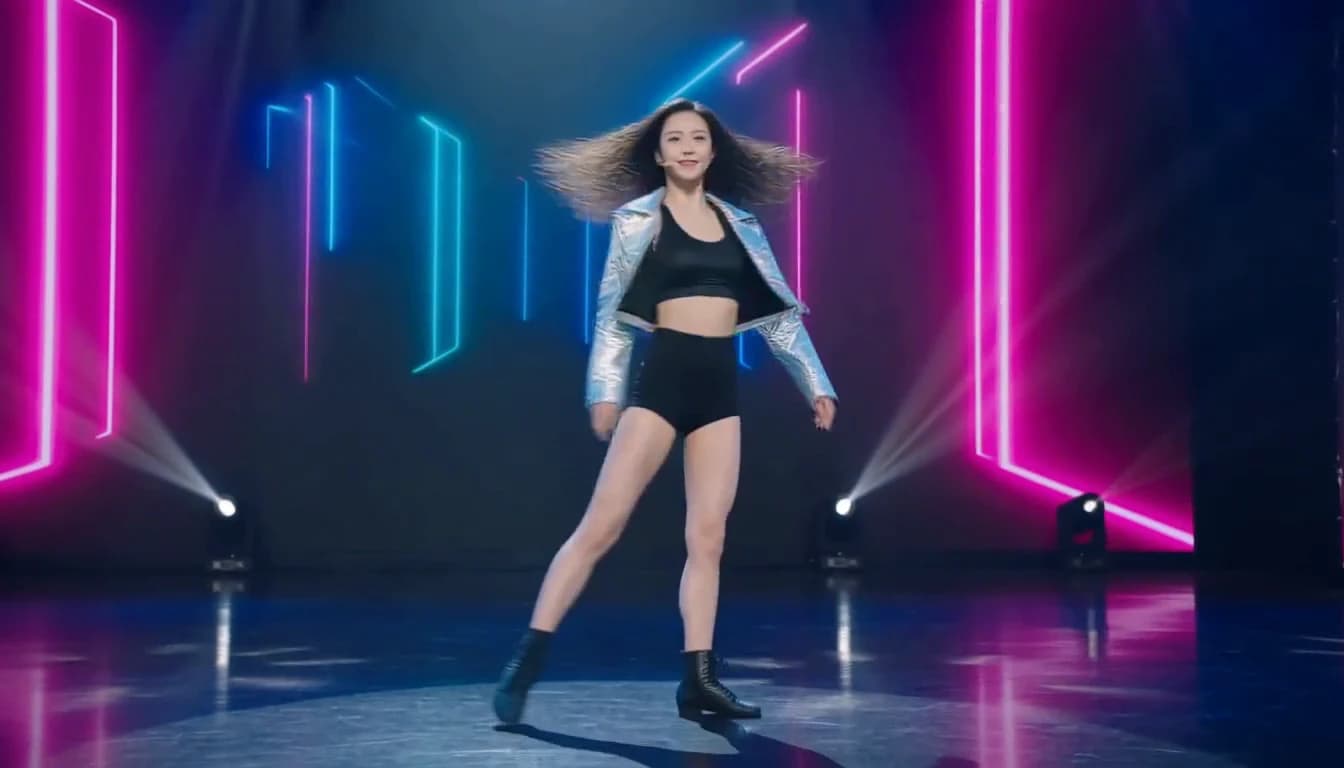
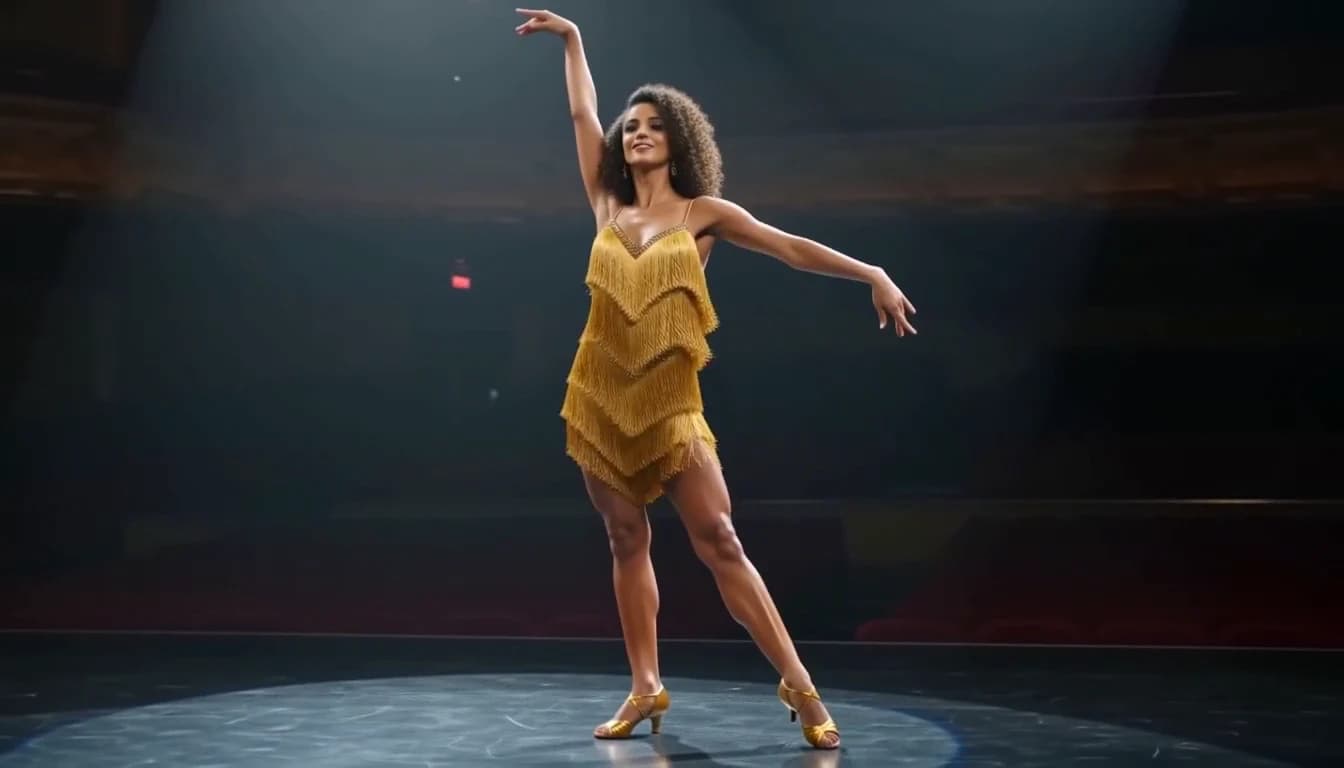
Turbo suits text and frame-guided shots; Max adds reference media. Compare their inputs, live pricing and three distinct dance samples before choosing a model.

MiniMax H3
MiniMax H3 Max adds 480P, starts at five seconds and charges reference video separately. H3 offers 2K and four-second clips. Learn how to choose for your scene.

MiniMax M3
MiniMax M3.1 Flash and M3 both have a million-token context. Compare reasoning controls, read the release claims carefully, and plan a useful migration test.

Wan 3.0 Prime
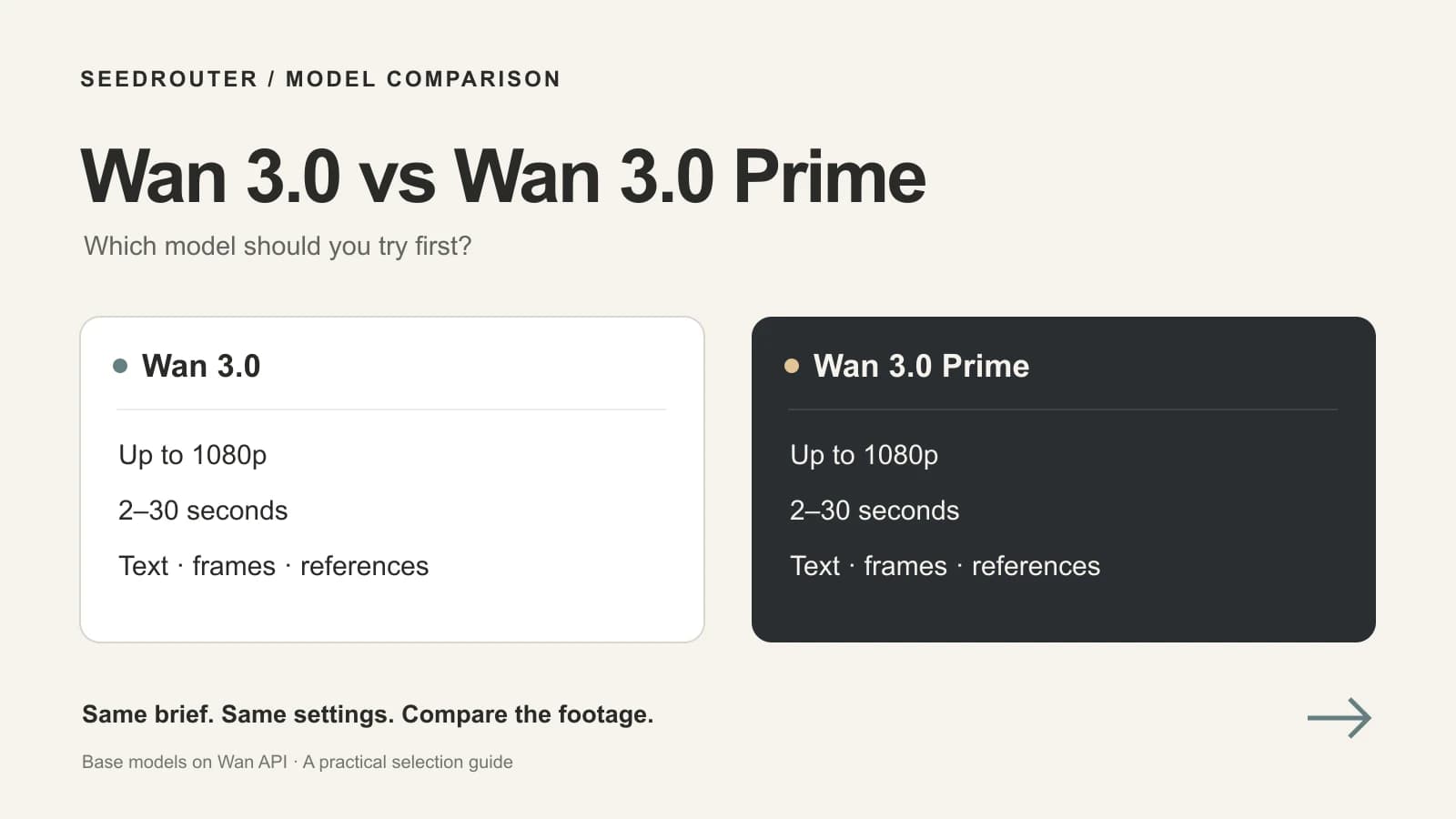
Compare Wan 3.0 and Wan 3.0 Prime inputs, resolutions, video length and pricing. Use a repeatable shot brief to choose a starting model for your next project.

Model comparisons
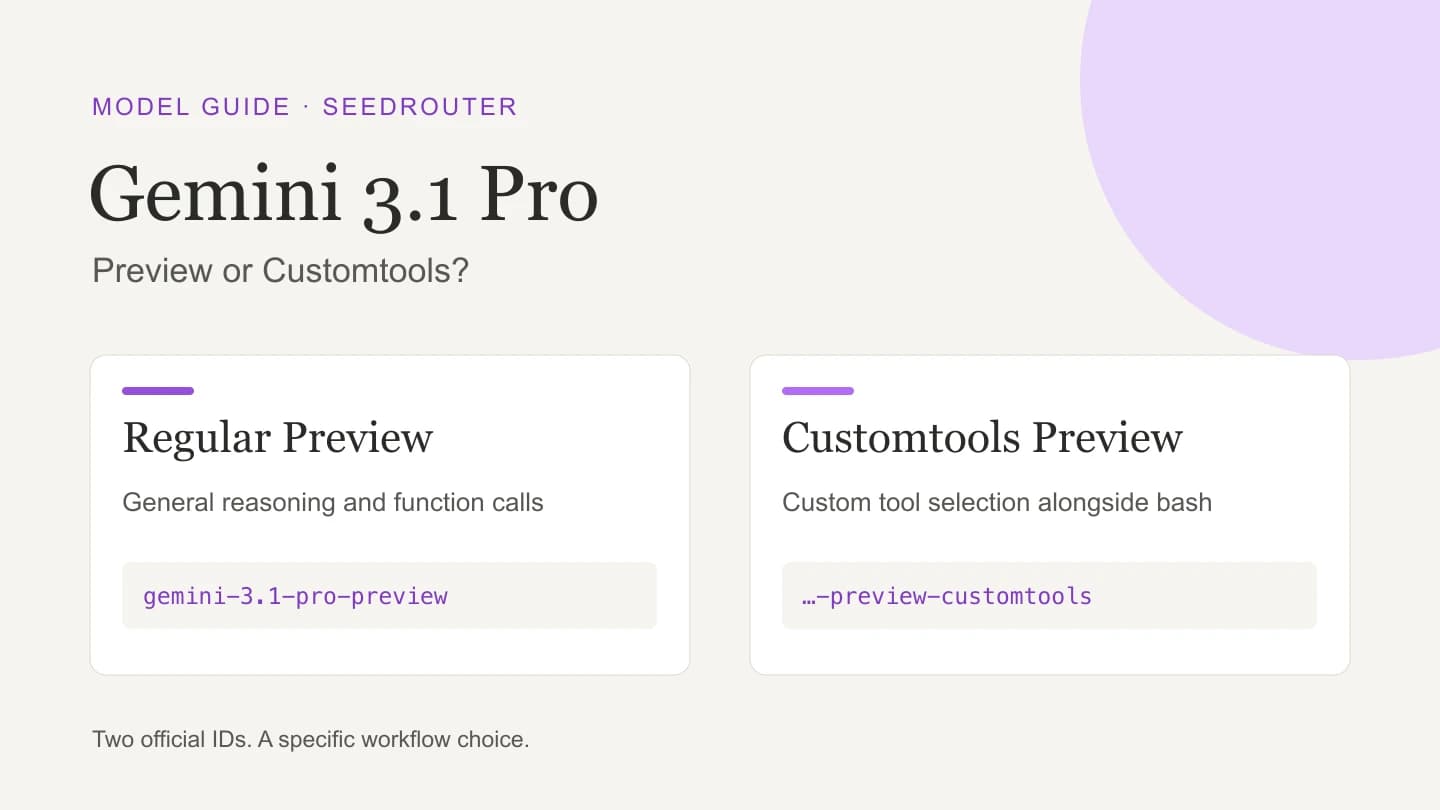
Compare the official Gemini 3.1 Pro model IDs. Learn what Customtools changes, when regular Preview fits, and how thinking settings differ from model selection.

Gemini 3.1 Pro
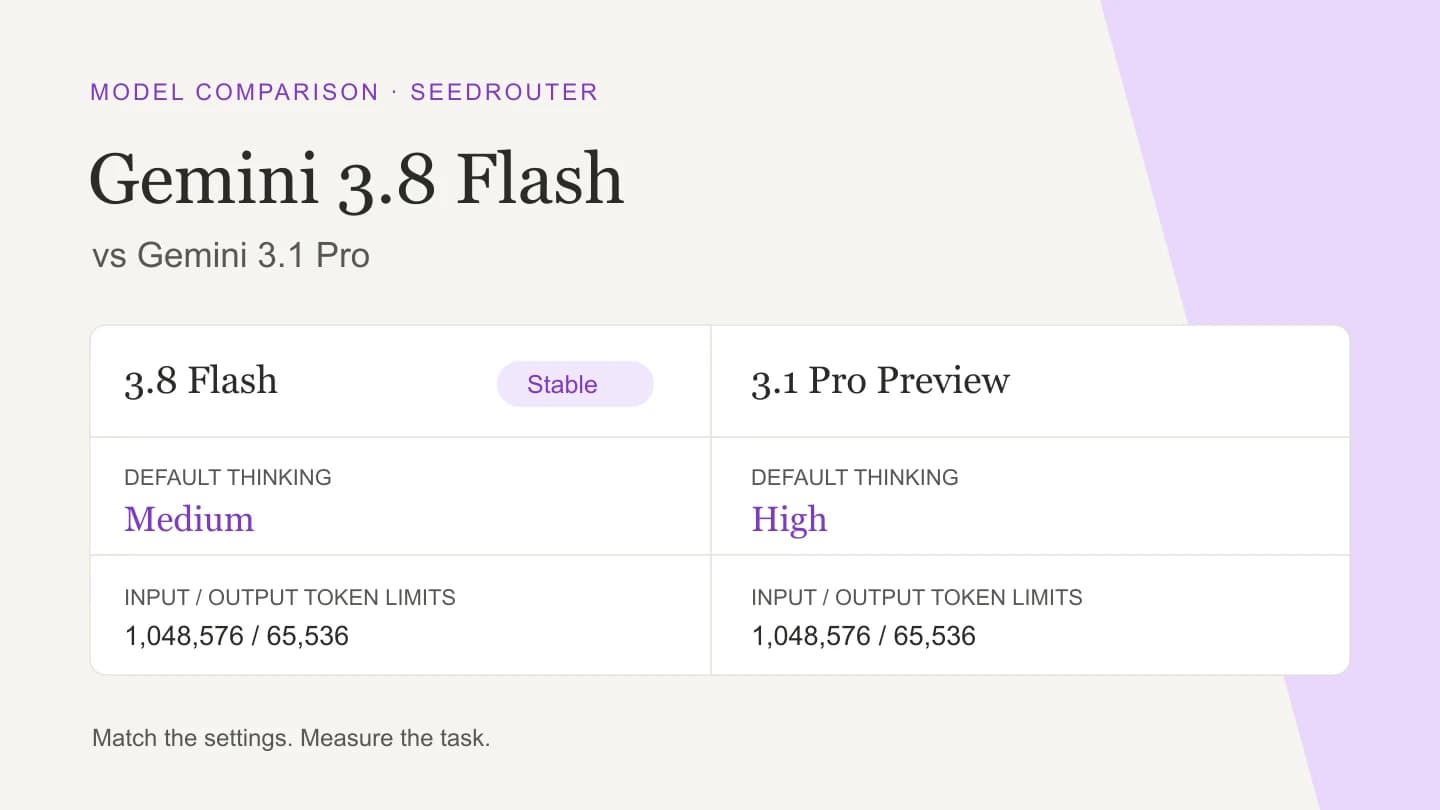
Compare Gemini 3.8 Flash and Gemini 3.1 Pro: thinking defaults, stable versus preview status, token limits, pricing and a fair way to test your own application.

Claude Opus 5.5
Compare Gemini 4 Argon vs Claude Opus 5.5 on context, coding benchmarks, current pricing and native APIs. Choose a model around your task and evaluation budget.

Claude Sonnet 5.5
Compare Claude Haiku 5.5 and Sonnet 5.5 for classification, extraction, coding and agent tasks. Check thinking defaults, tool choices and your own task results.

Nano Banana 2
Nano Banana 2.1 vs Nano Banana 2 on what Google changed, its own blind-test scores, the price per 1K, 2K and 4K image, thinking levels and the shutdown date.

Kling 3.0
Kling 3.0 Turbo vs Kling 3.0 compared on official features, price per second with and without sound, independent rankings, our own test clips and their timings.

Seedance 2.0
Kling 3.0 Turbo vs Seedance 2.0 compared on inputs, resolutions and sound, the price per second and per minute, blind-test rankings and same-subject samples.

Pricing
What WaveSpeed AI charges per second of Seedance video, per Nano Banana image and per million GPT-6 and Claude tokens, and how those rates compare tier by tier.

Alternatives
Atlas Cloud API prices for Seedance, Nano Banana Pro and GPT Image 2 from its own calculator, what its free credits cover, and where these models cost less.

Claude Opus 5.5
GPT-6.1 Sol against Claude Opus 5.5 and Sonnet 5.5: context, effort, thinking, prices side by side, what the labs reported, API differences and a clear pick.

GPT-6 Sol
Is GPT-6.1 Sol better than GPT-6 Astra or GPT-6 Sol? Specs, list prices, the benchmark gaps OpenAI reported, what you lose without none, and which to pick.