Nano Banana 2.1 vs GPT Image 2.5: editing, quality, speed and cost
Compare Nano Banana 2.1 and GPT Image 2.5 on mask-based editing, multi-reference consistency, Flare vs Sunburst tiers, real sample outputs and live pricing.
Read as MarkdownGoogle's Nano Banana 2.1 (gemini-nano-banana-2.1, released October 6, 2026) and OpenAI's GPT Image 2.5 family (gpt-image-2.5-flare and gpt-image-2.5-sunburst) are two of the most capable commercial image models available on API today, yet they optimize for noticeably different production pipelines.
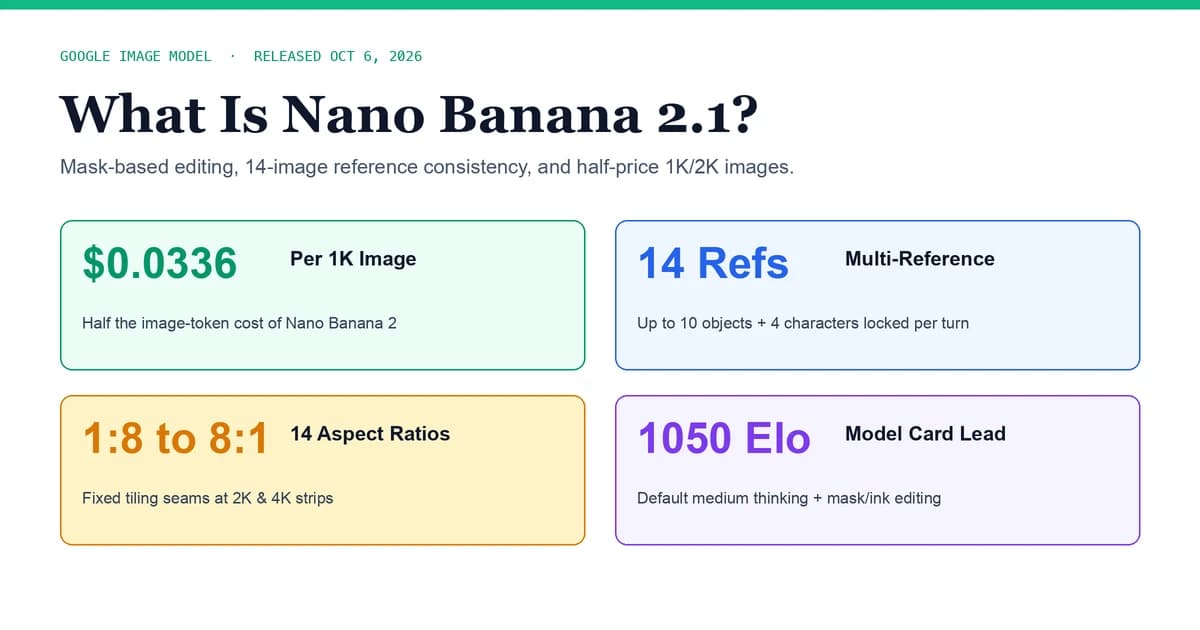
Nano Banana 2.1 brings Google's strongest documented case for mask- and ink-based editing, multi-reference subject consistency (up to 14 reference images: 10 objects and 4 characters), 14 aspect ratios from 1:8 to 8:1, and aggressive $0.0336 per 1K image Google list pricing. GPT Image 2.5 splits into two distinct variants (fast Flare and high-craft Sunburst) that shine in commercial studio photography, packaging typography, lighting realism, and transparent cutouts.
Both models are live on SeedRouter under one API key. Below is how they compare on real capabilities, sample outputs, editing contracts, per-image economics, and which workloads belong on each.
Real visual outputs from both models
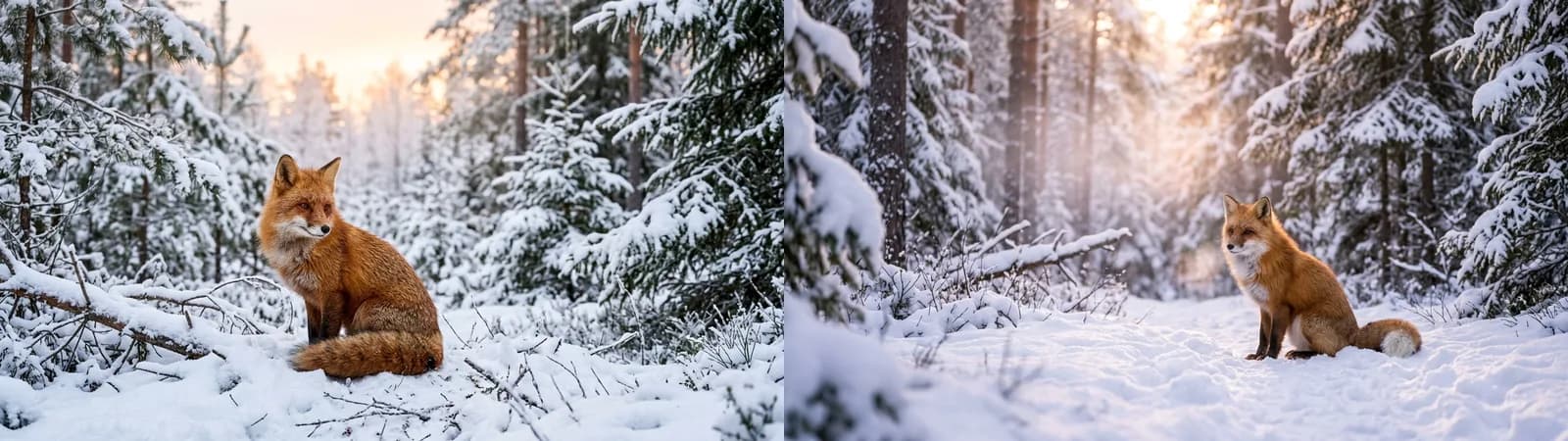
No spec table replaces looking at actual generated frames. Here is a real 1K 16:9 output from Nano Banana 2.1 (1376 × 768, default medium thinking) on a photorealistic wildlife prompt:
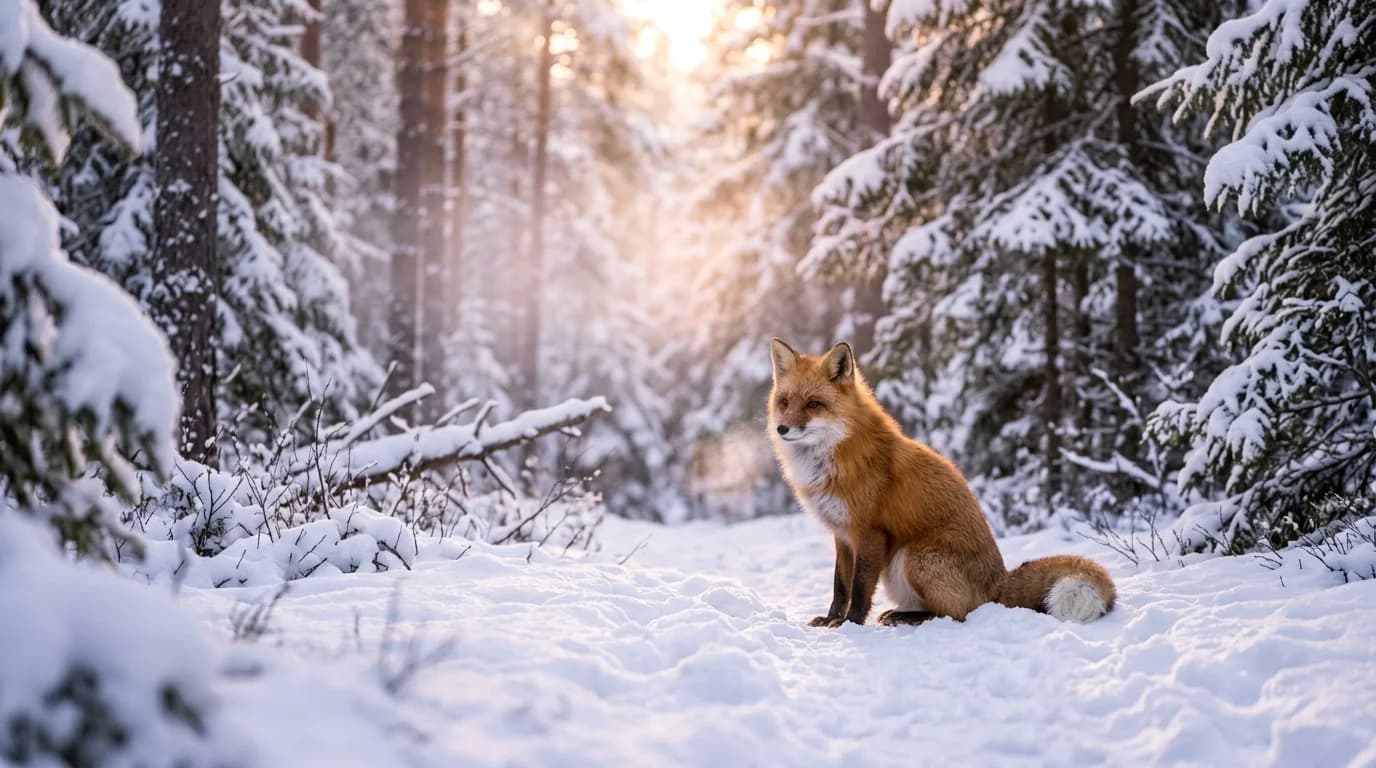
Nano Banana 2.1, 1K (1376 × 768), default thinking. Clean natural lighting, fur detail, and wide-aspect framing without tiling seams.
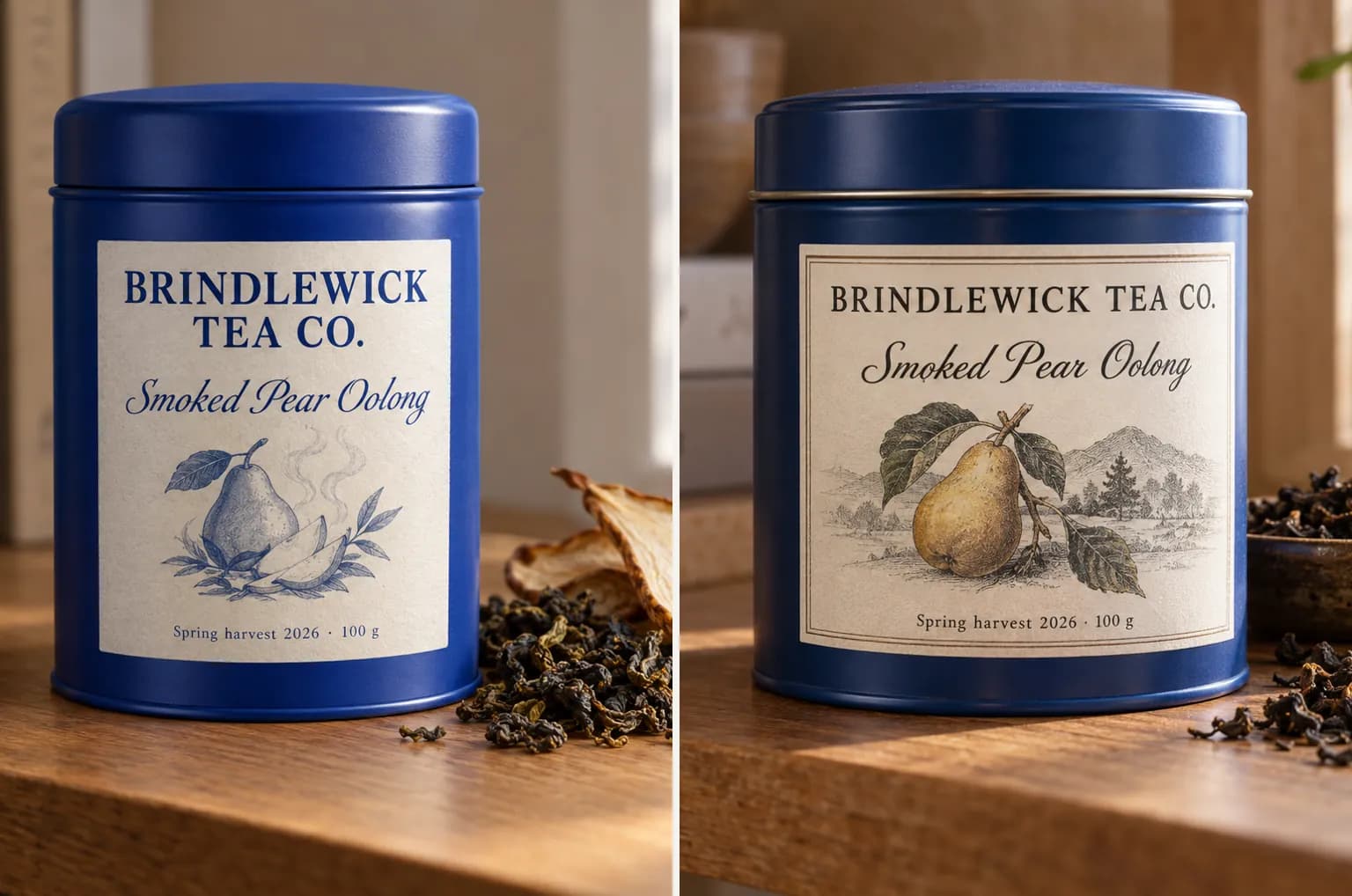
And here are two real showcase outputs from GPT Image 2.5 highlighting studio lighting, material texture, and clean commercial product composition:

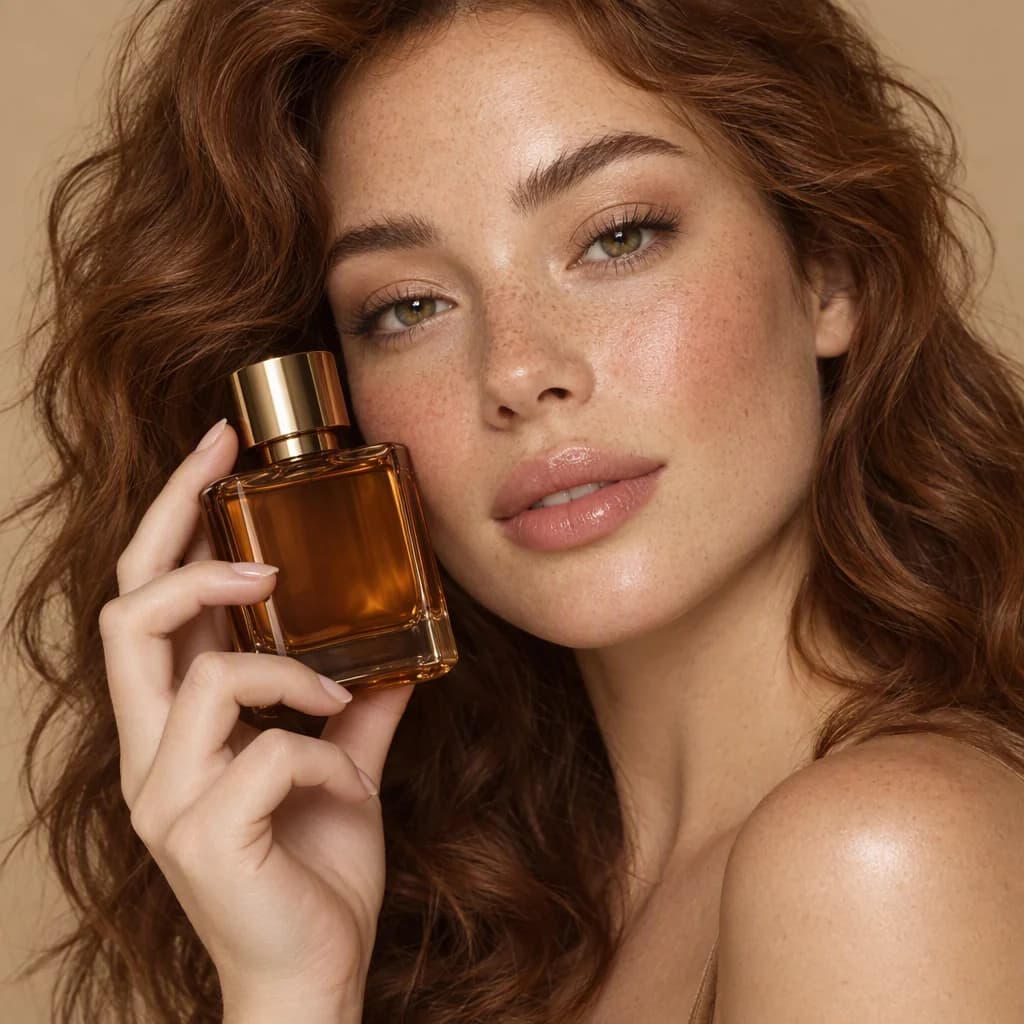
GPT Image 2.5 showcase outputs demonstrating controlled commercial lighting, sharp surfaces, and product-ready composition.
A single sample never proves a universal winner, because each model pulls ahead on different tasks: Nano Banana 2.1 stands out when you need multi-turn character continuity, 14-image compositing, or wide banner strips (4:1, 8:1), while GPT Image 2.5 shines on studio product shots, ad layouts, and transparent PNG assets.
Capabilities, editing controls and aspect ratios side by side
Verified specifications from Google's Nano Banana 2.1 model card and documentation alongside SeedRouter's live GPT Image 2.5 contract, checked on November 23, 2026:
| Dimension | Nano Banana 2.1 | GPT Image 2.5 (Flare & Sunburst) |
|---|---|---|
| Official API model ID(s) | gemini-nano-banana-2.1 | gpt-image-2.5-flare, gpt-image-2.5-sunburst |
| Output resolutions | 1K, 2K, 4K (512px dropped) | Standard sizes and quality tiers (low / medium / high) |
| Aspect ratios | 14 ratios from 1:8 to 8:1 (tiling artifacts fixed at 2K/4K) | Square, portrait, and landscape standard ratios |
| Multi-reference inputs | Up to 14 reference images (10 objects + 4 characters) | Multi-image editing and reference conditioning |
| Mask-based editing | Explicitly documented mask and ink-based editing | Native image editing and background transparency |
| Thinking / reasoning | minimal, medium (default), high | Variant-based tradeoff: fast Flare vs high-detail Sunburst |
| Extra input modalities | Text, image, video frames, PDFs | Text and reference images |
| Best native strengths | Infographics, multi-character continuity, ultra-wide strips, mask edits | Commercial product art, studio lighting, clean typography, transparent cutouts |
Why does Nano Banana 2.1's medium thinking default matter?
Google added a medium thinking level in Nano Banana 2.1 and made it the default (replacing minimal from Nano Banana 2). On Google's own model card (side-by-side human preference Elo scores, checked on November 23, 2026), Nano Banana 2.1 with thinking enabled reached 1050 on overall text-to-image preference, 1048 on infographic design, 1026 on general editing, 1049 on mask and ink-based editing, 1066 on multi-reference editing, and 1106 on multi-character consistency. Infographic factuality jumped from 0.179 on Nano Banana 2 to 0.521 on Nano Banana 2.1 with thinking enabled.
Keep in mind that those are Google's own blind tests comparing Google's models, not a direct head-to-head benchmark against GPT Image 2.5. The practical tradeoff is simple: medium thinking improves diagrams, text labels, and multi-subject layouts, while adding modest latency and thinking-token spend. Drop to minimal when generating quick mood boards, and keep medium or high for diagrams, packaging copy, and multi-character scenes.
Also watch one breaking parameter change if you are upgrading from Nano Banana 2: Nano Banana 2.1 drops the 512px draft resolution, so any automated pipeline requesting 512 must switch to 1K (which now costs half as much per image as Nano Banana 2's 1K output).
API integration pattern on SeedRouter
Both models run asynchronously on SeedRouter: you submit a generation request to /v1/images/generations, receive a task ID, and poll until completion. Reference images and masks are passed as URLs, and completed images are returned as hosted URLs so your backend does not have to juggle massive base64 blobs in memory. Because both models share the same key and billing ledger, switching a pipeline from gemini-nano-banana-2.1 to gpt-image-2.5-flare or gpt-image-2.5-sunburst only requires adjusting the model ID and model-specific size or aspect fields.
Mask-based editing vs Flare/Sunburst iterative workflows
The sharpest workflow difference shows up once you move past text-to-image into real production editing:
- Choose Nano Banana 2.1 for localized mask/ink edits and multi-asset compositing. When an ecommerce or game team needs to lock 4 recurring characters and 10 props across twenty storyboards, or paint an ink mask over one jacket sleeve without disturbing the rest of the frame, Nano Banana 2.1's 14-reference slot and explicit mask-editing training reduce drift between turns.
- Choose GPT Image 2.5 when you want a fast-draft / final-render split inside one model family. With
gpt-image-2.5-flareandgpt-image-2.5-sunburst, teams can iterate layouts quickly on Flare and promote winning prompts to Sunburst for final campaign polish, transparent-background assets (background: "transparent"), and crisp studio lighting. See our GPT Image 2.5 Flare vs Sunburst breakdown for exact visual differences between the two variants.
Pricing and cost predictability at scale
Google publishes transparent token-based image pricing for Nano Banana 2.1 (checked on November 23, 2026): $30 per million image output tokens, which works out to $0.0336 per 1K image (1,120 tokens), $0.0504 per 2K image (1,680 tokens), and $0.113 per 4K image (3,780 tokens), plus $1.50/M input tokens and $7.50/M text/thinking tokens. That makes 1K and 2K generation half the image-output cost of Nano Banana 2.
GPT Image 2.5 pricing varies cleanly by variant (Flare vs Sunburst), output size, and quality tier (low, medium, high). Rather than quoting stale static numbers, check the live rates for both models on SeedRouter pulled straight from billing:
Nano Banana 2.1 (Gemini Nano Banana 2.1) is sold on 2 channels. Both IDs accept the same request body; pick the ID whose billing suits the request.
| Channel | Model IDs | Billed by | Current rate (USD) |
|---|---|---|---|
| Standard | gemini-nano-banana-2.1 | Flat price per delivered image, at any size | $0.021 per delivered image |
| Official | gemini-nano-banana-2.1-official | Tokens each render reports (input + image output + text and thinking output) | $0.975 per 1M input tokens; $19.5 per 1M image output tokens; $4.875 per 1M text and thinking output tokens |
Token rates are the published first-tier rates; usage in a different tier may be charged differently.
Cost of one image by image size
Image tokens per size are the counts Google publishes for Gemini Nano Banana 2.1. Token-billed figures add a measured sample of 1177 text and thinking output tokens and 22 prompt tokens; actual usage varies with the prompt, references and thinking, so they are estimates, not fixed prices. Flat-priced channels charge the same at every size.
| Image size | Image output tokens | Standard USD | Official USD |
|---|---|---|---|
| 1K | 1120 | $0.021 | $0.02759933 |
| 2K | 1680 | $0.021 | $0.03851933 |
| 4K | 3780 | $0.021 | $0.07946932 |
Formula (Official): (input tokens × 0.975 + image output tokens × 19.5 + text and thinking output tokens × 4.875) / 1,000,000 USD. One request returns one image. Final charges are available in account usage history. Failed requests are not charged.
Look at how billing behaves in bulk pipelines:
- 1,000 standard 1K catalog images on Nano Banana 2.1 run roughly $33.60 in image output tokens at Google's list rate (plus modest prompt/thinking tokens).
- High-craft hero banners or transparent cutouts where one extra rejection wastes designer time often justify running GPT Image 2.5 Sunburst on the final pass even when per-image cost is higher, because fewer regenerations mean faster turnaround.
For full worked pricing tables on each side, check our Nano Banana 2.1 API pricing guide and GPT Image 2.5 API pricing guide.
How to run a fair 10-prompt side-by-side test
Community threads frequently disagree on which model "looks better" because one person tests anime character sheets and another tests luxury skincare bottles. Run ten prompts from your own product queue on both models before locking a default:
- Three typography / label prompts: test small product text, multi-line poster copy, and infographic callouts.
- Three editing prompts: test background swaps, localized mask/object replacement, and keeping an existing product label untouched.
- Two wide/tall layout prompts: test
16:9hero banners and1:4or4:1strips (Nano Banana 2.1 explicitly fixes tiling artifacts on extreme ratios). - Two character or brand consistency prompts: feed 3 to 6 reference images and verify facial, outfit, and color fidelity across three consecutive outputs.
Grade every image pass/fail on usability rather than abstract aesthetics: would your marketing or product team publish this asset without opening Photoshop?
Can I call both Nano Banana 2.1 and GPT Image 2.5 with one API key?
Yes. On SeedRouter, Nano Banana 2.1, GPT Image 2.5, and GPT Image 2 share one pay-as-you-go balance and one key, with no monthly subscription and no charge for failed generations. You can test both models directly in the browser playgrounds first, then wire the winner into your backend (see our GPT Image 2.5 Python API guide and Nano Banana 2.1 vs Nano Banana 2 comparison).
Which model should I pick if I only want one default today?
Default to Nano Banana 2.1 if your pipeline relies on high-volume 1K/2K batches, extreme aspect ratios (1:8 to 8:1), infographics, mask-based local edits, or locking up to 14 reference images across scenes. Default to GPT Image 2.5 (Flare for drafts, Sunburst for finals) if your priority is commercial studio photography, transparent-background assets, and polished ad/product creatives. Before committing a whole catalog to one model, run your five trickiest real prompts (product typography, human hands, brand packaging, and background swaps) through both playgrounds on SeedRouter and inspect the outputs at actual display size rather than thumbnail view so visual artifacts and edge-case lettering issues surface early.